



 Local culture
Rome’s Real Neighborhood Spirit
Rome consists of separate villages joined together over time. Each pocket holds a different way of life that escapes tourists stuck on main avenues. Reading A Local’s Guide to Rome’s Most Charming Districts helps you find these hidden spots.
To feel the city’s true pulse, look beyond the Colosseum. Wander down silent back alleys where locals live, dine, and gather.
First-timers and returning travelers alike find that consulting A Local’s Guide to Rome’s Most Charming Districts alters their journey. Walking these pathways uncovers historical layers from imperial ruins to fresh street murals.
Learning about these neighborhoods shifts an ordinary trip into a deep dive into local culture. It plugs you directly into the daily rhythms of Roman life.
Trastevere and the Roman Bohemian Heart
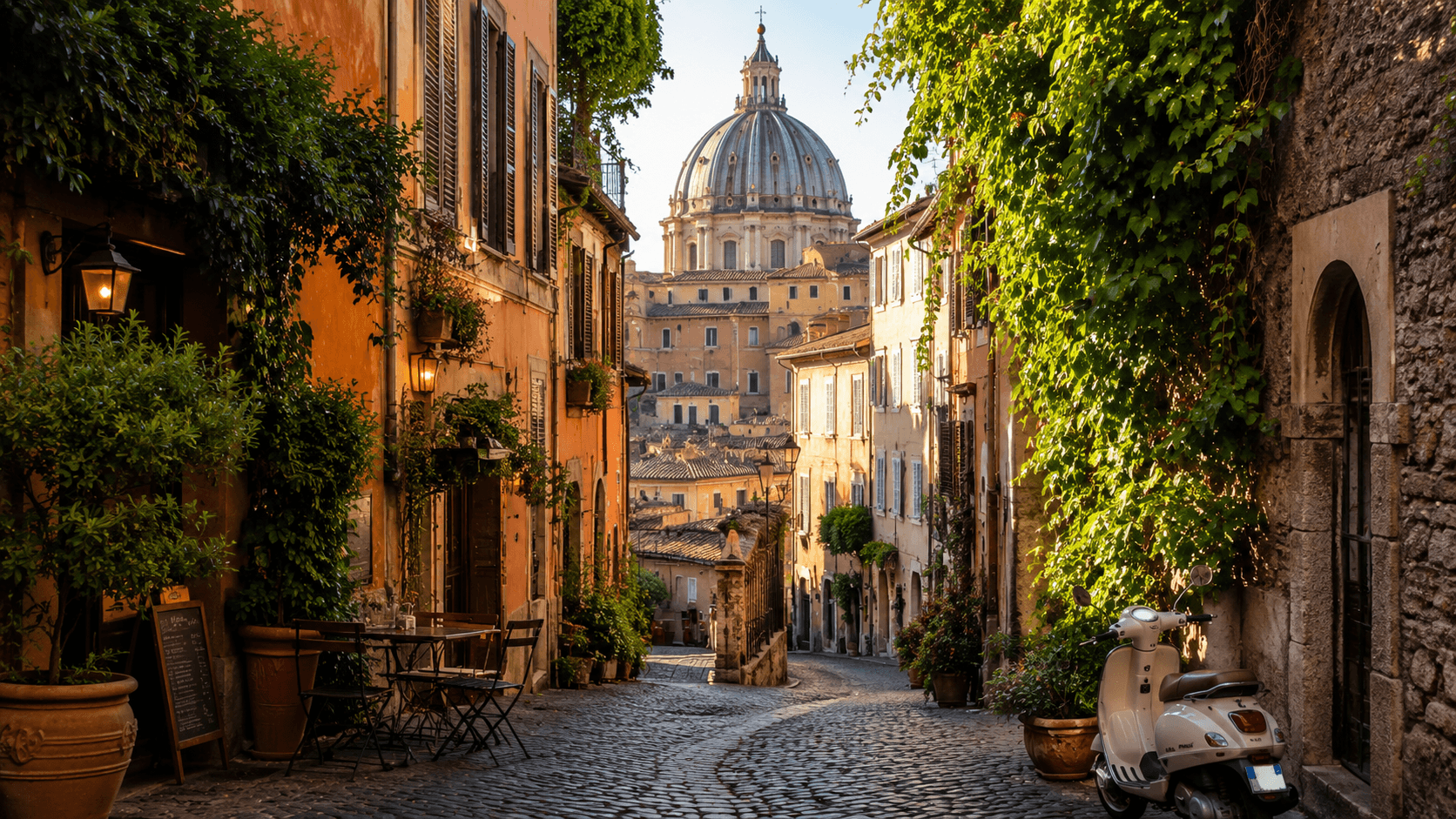
Just across the Tiber River, Trastevere keeps its medieval layout intact with tangled stone lanes paved in dark basalt blocks called sampietrini. This quarter thrives on a mixture of working-class pride and artistic renewal.
For those chasing the true spirit of Rome, A Local’s Guide to Rome’s Most Charming Districts points directly to this ivy-draped enclave. By day, quiet plazas like Piazza di Santa Maria in Trastevere offer sleepy corners for a quick coffee.
Sunset turns these stone passages into lively social spots where neighbors gather outside old-school trattorias. Rich scents of pecorino and pepper drift through the air while musicians play near ancient stone arches.
- The Basilica of Santa Maria in Trastevere, known for its twelfth-century golden mosaics.
- The high lookout of Gianicolo Hill, offering wide views of the city rooftops.
- Villa Farnesina, which displays Renaissance wall paintings by Raphael.
Monti: Where Antiquity Meets Modern Style
Tucked right next to the Colosseum, Monti was once a rough ancient slum called the Subura. Today, it serves as a fashionable creative pocket packed with secondhand shops, craft studios, and small coffee houses.
Any deep look at the city, including A Local’s Guide to Rome’s Most Charming Districts, highlights Monti for its sharp architectural contrasts. Old ruins sit right next to trendy shops selling handmade rings and modified clothing.
Piazza della Madonna dei Monti serves as the neighborhood living room where residents sit on stone steps to catch up. It shows a neat blend of old village habits and modern city fashion.
- Via del Boschetto, a lane lined with small craft shops and local clothing makers.
- The Church of San Pietro in Vincoli, home to Michelangelo’s marble statue of Moses.
- Mercato Monti, a weekend gathering that displays regional crafts and vintage clothing.
Testaccio and the True Food Heritage
Testaccio is the birthplace of classic Roman food, centered around an old slaughterhouse that closed late last century. This working-class district shaped the local menu by turning cheap cuts into legendary pasta dishes.
For food lovers, A Local’s Guide to Rome’s Most Charming Districts requires a close look at this culinary corner. The covered market houses over a hundred stands selling everything from fresh offal to upscale street snacks.
Aside from eating, the area features Monte Testaccio, an old hill made of millions of broken Roman clay oil jars. This pile shows how deeply trade and history run through these streets.
- The Testaccio Market, especially Stall 15 for a classic slow-cooked beef sandwich.
- The Non-Catholic Cemetery, a quiet burial ground where poets John Keats and Percy Bysshe Shelley lie.
- The Pyramid of Cestius, an odd Egyptian-style tomb built in twelve BC.
Garbatella: The Peaceful Garden Suburb
Built in the nineteen-twenties as a green haven for working-class families, Garbatella displays an unusual architectural style called Barocchetto. The buildings look like tiny villa clusters linked by shared yards, thick greenery, and spiral stairs.
While many visitors stay in the old center, A Local’s Guide to Rome’s Most Charming Districts suggests heading south to Garbatella. Walking through these public courtyards shows laundry drying in the breeze and older neighbors chatting on benches.
Movie directors often use Garbatella for its nostalgic look and classic feel. It gives visitors a rare peek at a tight community that keeps its old ways alive.
Comparing These Roman Neighborhoods
This simple table outlines the main traits of each neighborhood to help plan your walks.
| District | Main Feel | Key Spot | Ideal For |
|---|---|---|---|
| Trastevere | Lively & Artistic | Basilica of Santa Maria | Evening drinks and historic strolls |
| Monti | Stylish & Creative | Via del Boschetto | Secondhand shops and small cafes |
| Testaccio | Food-focused & Real | Testaccio Market | Food lovers and old ruins |
| Garbatella | Nostalgic & Quiet | Barocchetto Courtyards | Slow walks and film buffs |
Tips for Wandering the Local Streets
To enjoy these areas, drop the strict schedules and travel on foot. Roman buses and trains connect these spots well, but walking reveals the gentle shifts between historical eras.
Respecting local habits matters when visiting these residential zones. Keep your voice down during afternoon rest hours, which usually run from one to four.
Using A Local’s Guide to Rome’s Most Charming Districts helps you navigate these historic quarters smoothly. Matching your visits to meal times lets you enjoy the specific dining habits of each spot.
Living Like a Roman
Seeing Rome through its neighborhoods offers a direct link to the past. Each zone shows how modern Romans balance preservation with daily city life.
Spending time in Trastevere, Monti, Testaccio, and Garbatella reveals the real city. This focus changes an ordinary holiday into a set of genuine memories.
In the end, A Local’s Guide to Rome’s Most Charming Districts serves as a tool for slower, deeper travel. Rome rewards those who walk slowly and notice the quiet moments.


Comments are closed